November 14, 2026
Trees contribute to a property's appearance, provide shade, and support the surrounding environment. However, keeping them healthy requires more than occasional watering or trimming. Trees can develop problems gradually, and early signs of disease, pest activity, or structural weakness are not always easy for property owners to recognize. Regular monitoring helps identify these concerns before they become more serious or create potential hazards. Working with a qualified arborist gives property owners access to professional knowledge about tree care, growth patterns, and maintenance needs. These specialists can evaluate individual trees and recommend appropriate steps based on their condition. Monitoring is especially valuable for mature trees because their health can influence both safety and the appearance of the landscape. Understanding the importance of professional tree assessments can help homeowners protect their outdoor spaces over time.
Identifying Early Signs of Tree Disease
Tree diseases can affect leaves, branches, trunks, and root systems, sometimes causing noticeable changes before the tree begins to decline. Discolored foliage, unusual spots, premature leaf loss, and dead branches may indicate an underlying problem. An arborist can examine these symptoms and help determine whether they are related to disease, environmental stress, or another issue. Correctly identifying the cause is important because different problems require different management approaches. Some conditions may be manageable through pruning or adjustments to the tree's growing environment, while others may require additional treatment. Property owners should avoid assuming that every change in leaf color signals the same problem. Regular inspections make it easier to compare a tree's condition over time and recognize unusual developments. Early attention can help prevent certain issues from spreading or causing more extensive damage.
Monitoring Pests and Insect Activity
Insects can affect tree health by feeding on leaves, damaging bark, or interfering with the movement of water and nutrients. Some pests cause visible signs such as holes in leaves, unusual growth patterns, sawdust-like material, or damaged branches. Other infestations may remain difficult to notice until the tree begins showing significant stress. A trained arborist can look for evidence of pest activity and evaluate how it may be affecting the tree. Identifying the specific pest is important because treatment recommendations depend on the species and extent of the infestation. Property owners should also understand that not every insect found on a tree is harmful. Some insects play useful roles in the local ecosystem, so unnecessary treatments can create additional problems. Professional monitoring helps distinguish between harmless activity and conditions that require attention.
Evaluating Structural Stability and Safety
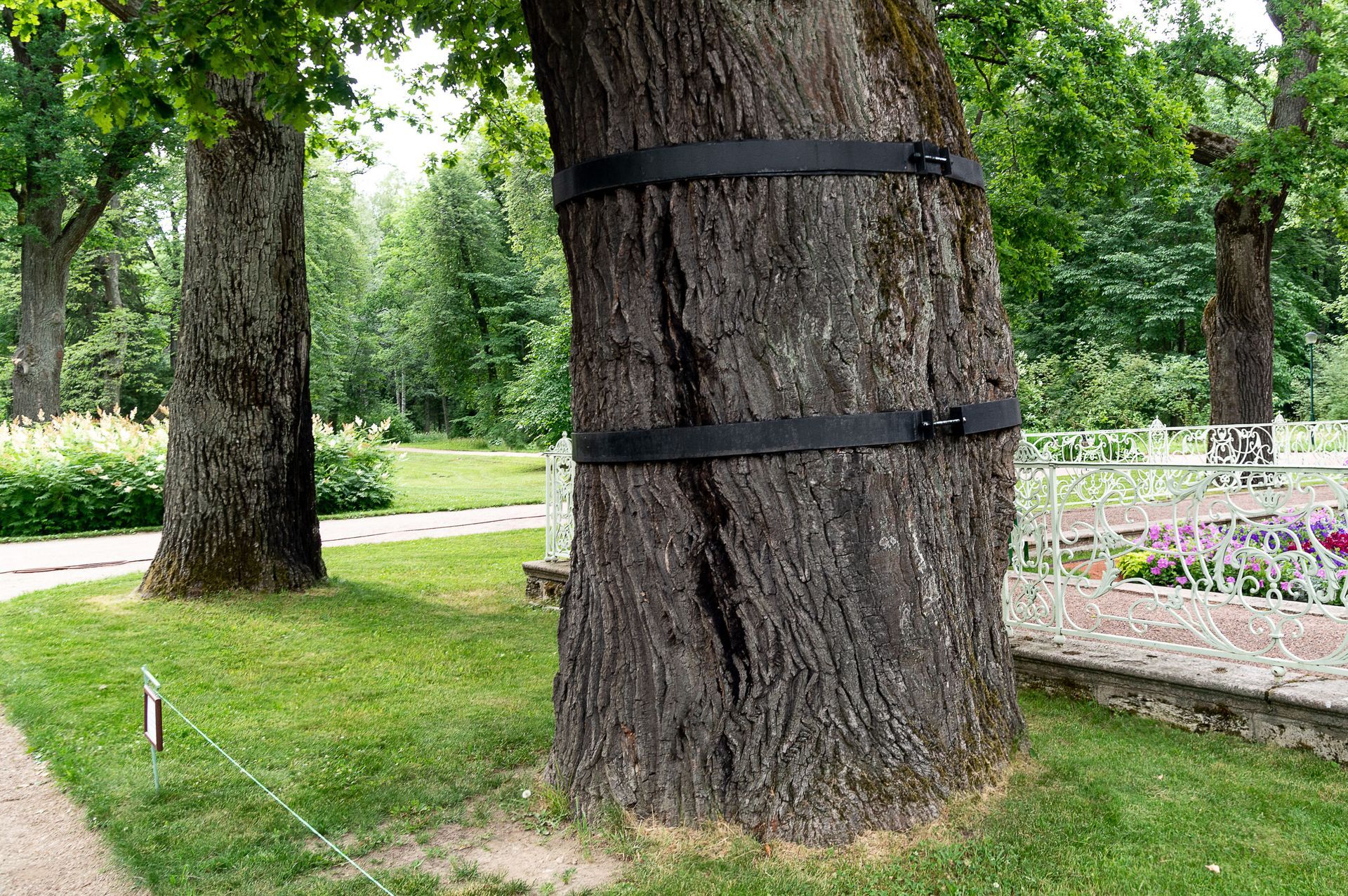
A tree can appear healthy while still having structural weaknesses that create concerns during strong winds or storms. Cracks in major limbs, weak branch connections, leaning trunks, and visible root problems may indicate potential instability. An arborist can assess the tree's structure and identify areas that may need closer examination or maintenance. This evaluation is especially important for trees located near homes, driveways, sidewalks, fences, and other frequently used spaces. Regular monitoring can help identify changes that develop as a tree grows or experiences weather-related stress. Depending on the findings, recommendations may include selective pruning, additional monitoring, or other appropriate care. Property owners should not attempt to evaluate large or potentially unstable trees by climbing them or removing major limbs themselves. Professional assessments provide a safer way to understand possible hazards and determine the next steps.
Supporting Healthy Growth Through Proper Pruning
Pruning is an important part of tree maintenance, but removing branches without a clear purpose can affect a tree's development. Cutting too much foliage or making improper cuts may create additional stress and leave the tree more vulnerable to damage. An arborist can determine which branches should be removed and explain how pruning may support the tree's structure. Dead, damaged, crossing, or poorly positioned branches may require attention depending on the species and condition of the tree. Proper pruning can also help improve clearance around buildings, walkways, and other property features. The timing of the work matters because different tree species respond differently to pruning throughout the year. Regular monitoring helps establish when maintenance is necessary instead of relying on a fixed schedule for every tree. A thoughtful approach supports healthy development while preserving the tree's natural form.
Understanding Soil Conditions and Root Health
Healthy roots provide the foundation for a tree's stability and ability to absorb water and nutrients. However, root problems are often difficult to recognize because most of the root system remains underground. Compacted soil, poor drainage, construction activity, and changes in ground level can all affect root development. An arborist can evaluate visible symptoms and surrounding conditions to identify potential concerns. Signs such as thinning foliage, reduced growth, premature leaf drop, or changes in stability may point to problems below the surface. Recommendations may involve improving soil conditions, adjusting watering practices, or protecting the area around the tree's roots. Property owners should be cautious about digging, paving, or storing heavy materials near established trees. Monitoring these conditions helps protect the underground systems that support long-term tree health.
Protecting Property Value and Landscape Appeal
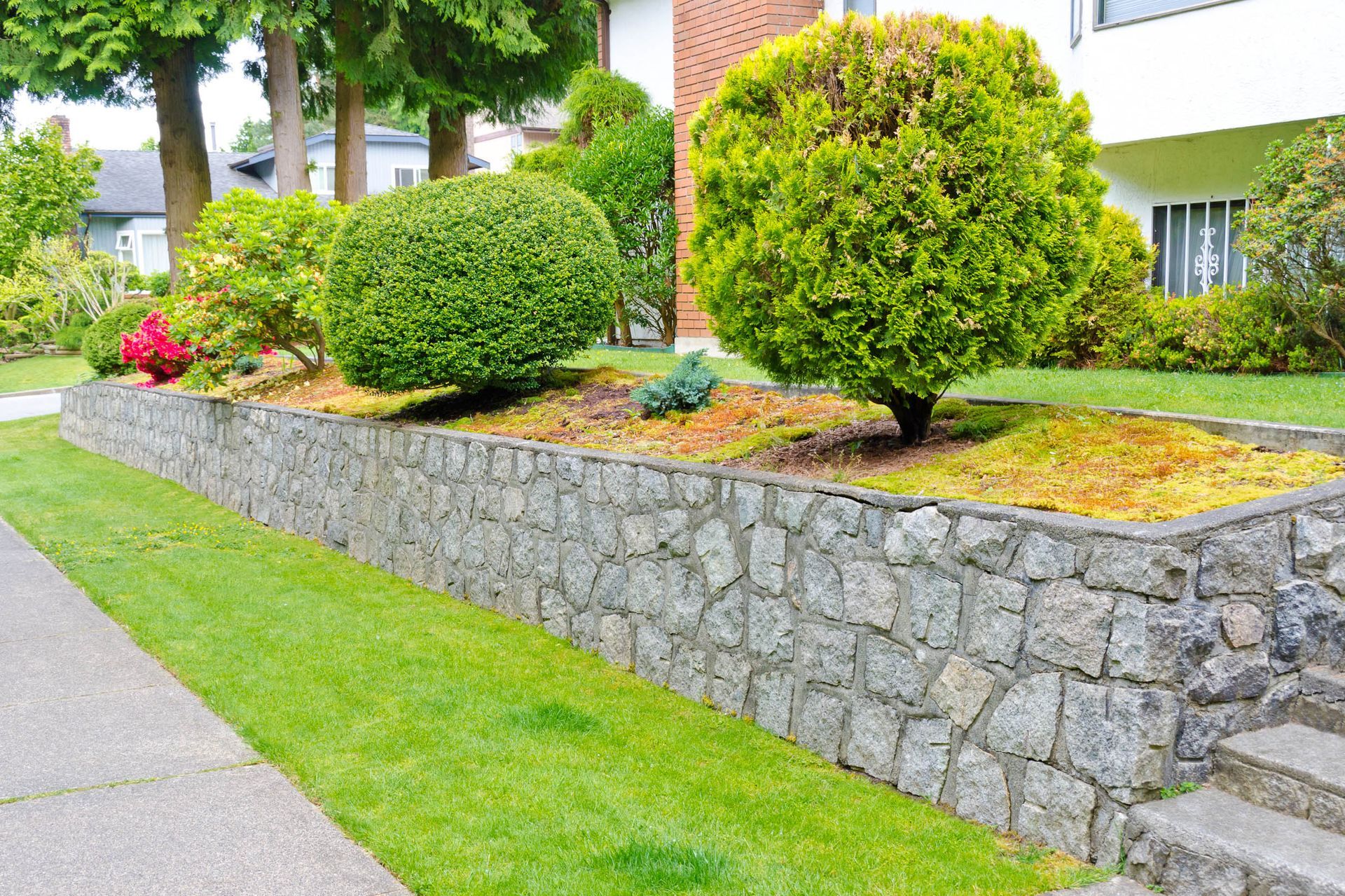
Healthy trees can make outdoor spaces more attractive by adding natural color, shade, and visual structure. Mature trees may also contribute to a property's overall appeal when they are well maintained and suited to the landscape. According to Money, trees can increase property value by as much as 15%, highlighting the potential financial benefit of maintaining healthy landscaping. An arborist can help property owners identify care needs that support the condition and appearance of their trees. Regular monitoring may also help prevent neglected branches, declining foliage, and other visible problems from affecting the landscape. When trees are properly maintained, they can complement gardens, lawns, walkways, and other outdoor features. However, tree selection and maintenance should account for available space, growth habits, and proximity to structures. Protecting existing trees can be a valuable part of maintaining an attractive and functional property.
Preparing Trees for Seasonal Weather Changes
Trees experience different environmental pressures throughout the year, and seasonal monitoring helps property owners prepare for changing conditions. Heavy rainfall, strong winds, drought, temperature fluctuations, and storms can all influence tree health. An arborist can inspect trees for existing weaknesses that may become more concerning during severe weather. This may include evaluating dead limbs, damaged trunks, exposed roots, or branches extending over structures. Seasonal recommendations can also address watering needs, pruning schedules, and other maintenance considerations. Trees under environmental stress may require closer observation because their ability to recover can vary by species and condition. Property owners should avoid waiting until a major storm is approaching to address obvious structural concerns. Routine evaluations provide more opportunities to identify problems and plan necessary work before conditions become urgent.
Creating a Consistent Tree Care Plan
Tree health monitoring is most effective when it becomes part of an ongoing property maintenance routine. Rather than waiting for visible damage, property owners can schedule periodic assessments to track changes and address concerns as they develop. An arborist can recommend an appropriate monitoring schedule based on the age, species, location, and condition of each tree. Keeping records of previous inspections, treatments, and pruning work can also make it easier to identify patterns over time. Some trees may need more frequent attention because of their location or existing health concerns. Others may require only occasional evaluations and routine maintenance. A consistent plan helps property owners prioritize necessary work while avoiding unnecessary interventions. It also provides a clearer understanding of how the landscape is changing from season to season.
Healthy trees require ongoing attention, and professional monitoring can help identify concerns before they become more difficult to manage. From recognizing disease and pest activity to evaluating structural stability and supporting healthy growth, regular assessments play an important role in responsible tree care. Adler Tree & Landscaping Service can help property owners address their tree care needs and maintain attractive outdoor spaces. Contact us to discuss your trees, schedule an evaluation, and develop a maintenance approach that supports the long-term health of your landscape.