November 14, 2026
Heavy rainfall can turn a backyard into soggy marshland when water lacks an exit path. Many property owners focus on planting flowers or laying fresh sod, but overlooking drainage can undo that hard work quickly. Uncontrolled runoff strips away topsoil and pools in low spots, turning turf into mud. When saturated ground borders exterior walls, excessive moisture threatens structural stability. Investing in proper drainage keeps outdoor spaces functional while protecting your property from water damage.
Partnering with an experienced team ensures that water moves away from vulnerable areas before causing headaches. Skilled local landscaping professionals assess how rain moves across your property, examining slopes and soil textures to design a practical solution.
Preventing Structural Movement and Foundation Settling
Rainwater naturally seeps into the ground until surrounding soil reaches its saturation point. When soil becomes packed with water, it expands and exerts force against exterior foundation walls. This force, known as hydrostatic pressure, pushes against concrete blocks and stone masonry. Over time, that pressure creates hairline cracks that widen with every stormy season.
Relieving this ground pressure requires guiding water away before it accumulates beside lower walls. Experienced crews install dedicated sub-surface channels that catch subterranean moisture and route it away from the building. Removing standing moisture keeps exterior walls stable, helping homeowners avoid shifts that cause sticking doors and cracked walls.
Stopping Basement Seepage and Mildew Growth
Water always finds the easiest path downward, and tiny fractures in foundation walls provide an open invitation for moisture. Once water slips through basement walls, it dampens interior drywall and ruins stored belongings. Damp basements also invite mold spores that spread through household air ducts, affecting indoor living comfort.
Strategic water management stops seepage at the source by keeping exterior soil dry and well-drained. Installing waterproof barriers paired with exterior drainage pipes collects water before it contacts masonry. Keeping lower rooms dry protects your flooring and preserves usable space, ensuring indoor living areas remain comfortable throughout humid months.
Preserving Lawn Health and Soil Stability
A sudden downpour can wash away months of lawn care effort when runoff flows across exposed dirt. As water rushes down natural inclines, it carves deep gullies into turf and carries topsoil toward the street. Over time, recurring erosion leaves lawn areas uneven, exposes tree roots, and washes away mulch.
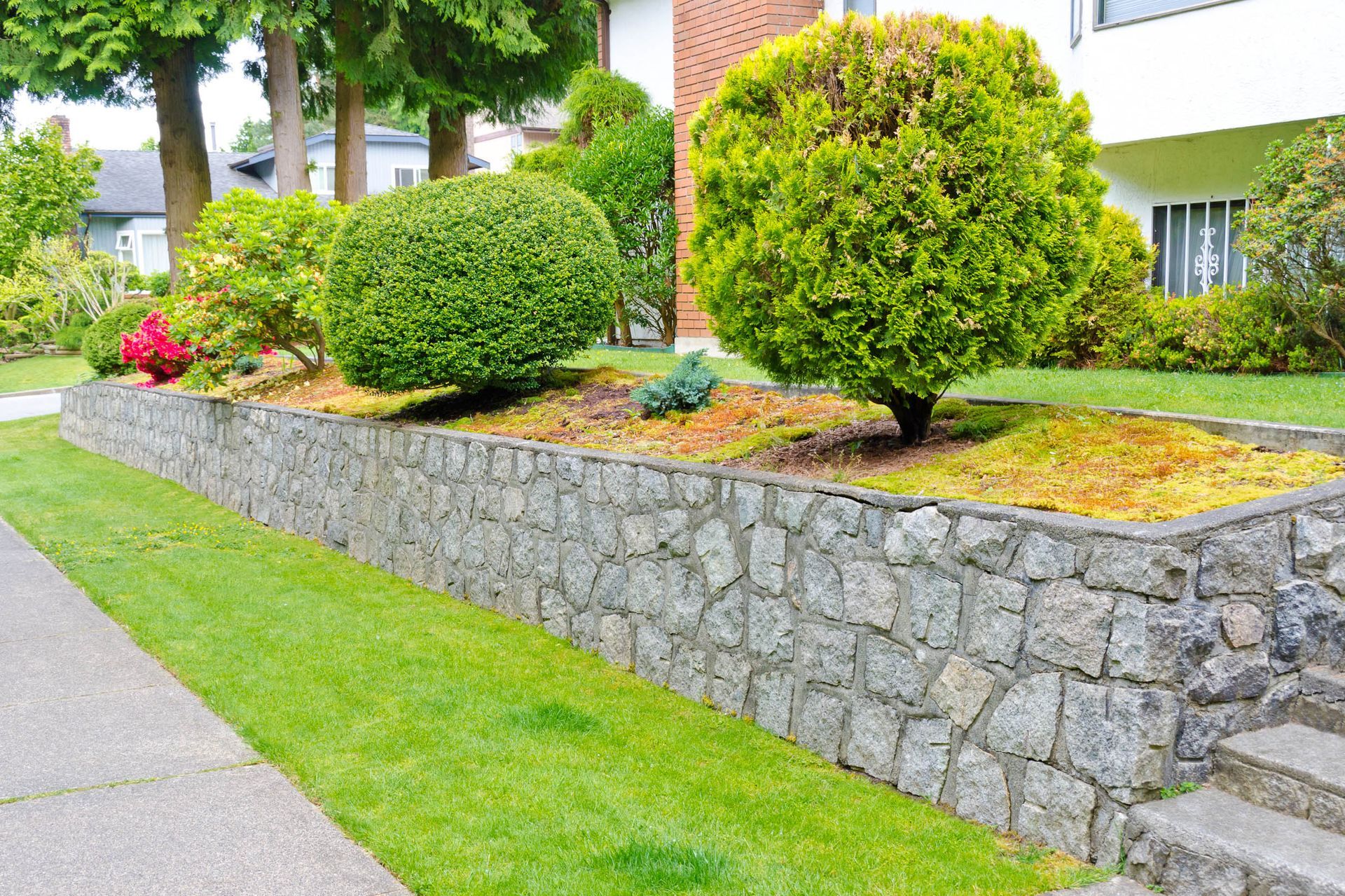
Stabilizing sloped terrain involves creating physical pathways that slow water down and disperse it gently. Combining surface contouring with sturdy retaining walls stops runoff from carrying away garden loam. Correctly grading the lawn keeps turf roots firmly anchored, ensuring that grass stays lush while keeping walking paths level.
Clearing Problematic Trees From Wet Areas
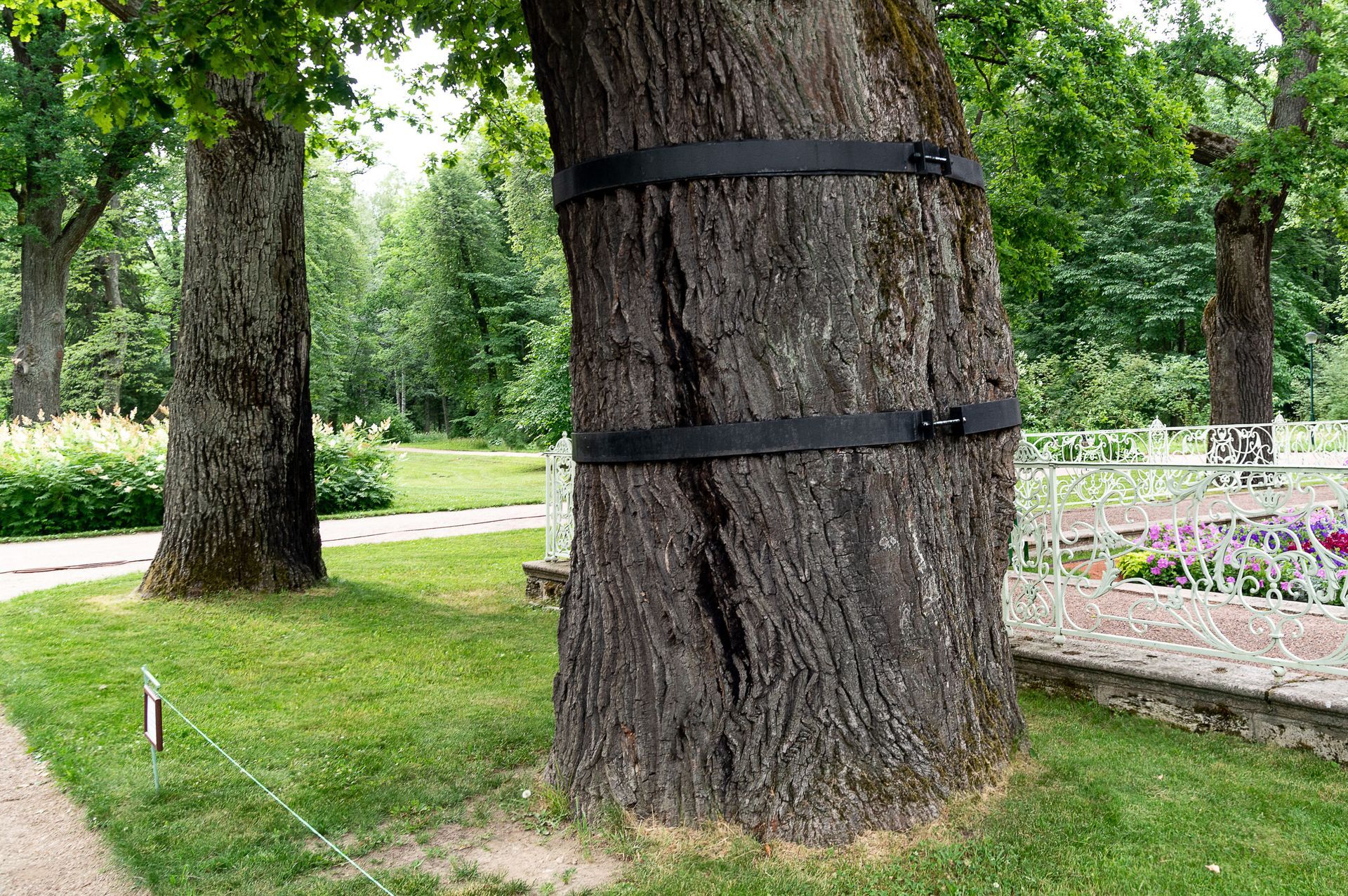
Dense canopies and decaying roots can worsen drainage problems along low-lying sections of a property. When trees die or suffer storm damage, rotting root balls loosen surrounding soil and create unstable mud zones. In flood-prone sections of your yard, managing tree growth plays a crucial role in stabilizing the ground.
Strategic tree care and clearing make a measurable difference in maintaining terrain stability. According to Medium, clearing compromised trees from flood-prone ground assists in controlling soil breakdown while enhancing runoff clarity, cutting sediment deposits by up to 30%. Removing decaying trees allows sunlight to reach soaked turf, helping the ground dry out naturally after storms. Integrating tree care with your local landscaping plan keeps your entire yard resilient against unpredictable weather.
Protecting Plant Roots From Rotting Moisture
While shrubs and flowers need moisture to thrive, roots trapped in waterlogged ground quickly run out of oxygen. Saturated dirt suffocates root networks, encouraging fungal infections that cause root rot. When root systems decay beneath the surface, leaves turn yellow and prized ornamentals wither away unexpectedly.
Installing gravel-lined trenches and perforated pipes pulls excess water away from delicate planting beds. This moisture balance allows plant roots to breathe and absorb nutrients from healthy soil. Protecting root zones from prolonged dampness keeps shrubs thriving, saving homeowners time on routine landscape upkeep.
Installing Functional Yard Drainage Solutions
Sub-surface French drains provide a dependable way to intercept groundwater before it collects on the lawn surface. Technicians dig a sloped trench along problem areas, lining the cavity with durable filter fabric to block dirt intrusion. A perforated pipe rests at the base of the trench, buried beneath washed gravel that allows water to trickle down freely.
As rainwater saturates upper soil, it filters through the gravel layer into the perforated pipe. The pipe carries gathered water away to an appropriate discharge point on the property. French drains work quietly beneath the surface, leaving your lawn looking smooth. Incorporating this proven method into your local landscaping layout keeps high-traffic play areas firm and usable.
Extending Downspouts Away From Foundation Walls
Roof valleys and gutter systems collect immense amounts of rainwater during storms. When downspouts dump that volume right next to foundation walls, surrounding soil quickly turns into a muddy reservoir. This concentrated runoff saturates foundation footings and increases the likelihood of basement leaks.
Professional crews bury downspout extensions beneath turf, routing roof water far away from the house. Connecting gutters to underground solid pipes ensures that storm runoff discharges into natural swales far from the building perimeter. This simple exterior upgrade relieves pressure on basement walls and keeps walking paths clear of water puddles.
Reshaping Yard Slopes With Strategic Grading
The natural slope of the ground dictates where water travels every time it rains. Older properties frequently suffer from negative grading, where soil slopes downward toward the house rather than away from it. This poor contouring funnels runoff straight toward the foundation, creating chronic dampness.
Grading crews use earthmoving machinery to sculpt terrain, establishing a gentle outward slope that guides water toward safe drainage zones. Reshaping low spots eliminates soggy bogs where pests breed during warm months. Correct grading forms the foundation for exterior improvements, ensuring that fresh sod and hardscapes function properly.
Maintaining Your Drainage System for Lasting Performance
Even well-planned drainage installations require occasional monitoring to maintain peak efficiency. Leaves and garden soil can gather near pipe discharge outlets, creating blockages that back up water during storms. Periodically checking exterior grates and pop-up emitters keeps drainage lines flowing freely.
Inspecting cleanout access ports allows homeowners to spot internal clogs before heavy rain arrives. Flushing lines with a garden hose clears out sediment buildup and confirms that pipes remain clear. Keeping drainage openings unobstructed protects your property investment and ensures dependable performance whenever storms sweep through the area.
Combining Routine Tree Trimming With Drainage Care
Trees and underground drainage pipes occupy the same yard space, making proactive care essential. Fast-growing roots naturally seek out underground moisture, and aggressive root systems can wrap around drainage pipes or push them out of alignment. Routine inspections by a knowledgeable team identify competing root paths before they crush subsurface lines.
Trimming back heavy boughs also reduces the volume of wet leaves that drop onto your lawn and clog surface grates. Professional tree trimming keeps canopies healthy while preventing branch debris from accumulating in drainage swales. Balancing tree care with regular local landscaping maintenance ensures that every element of your outdoor space works in harmony.
Relying on an experienced local landscaping partner eliminates guesswork and delivers lasting results tailored to regional soil and weather patterns. If your yard suffers from standing water, muddy lawns, or persistent basement dampness, contact Adler Tree & Landscaping Service today. Our skilled team is ready to evaluate your property, address drainage challenges, and provide local landscaping solutions needed to safeguard your home and outdoor space.