October 30, 2026
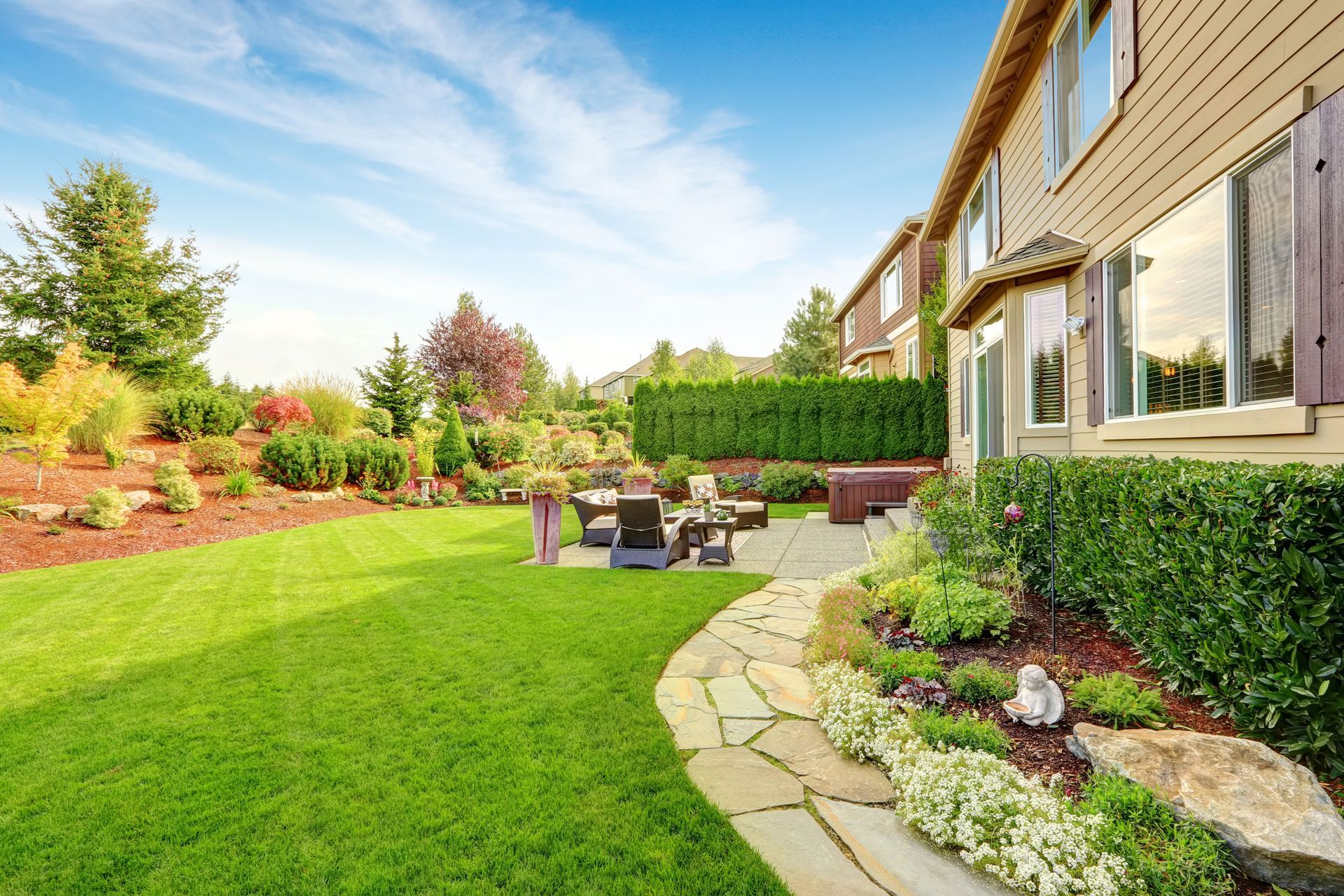
An attractive yard can make a home feel welcoming, but appearance alone does not determine how well an outdoor space works. Colorful flowers and neatly trimmed shrubs may enhance curb appeal, yet they can also demand considerable upkeep if they are poorly matched to the property. A functional landscape combines visual interest with practical features that support everyday activities, healthy plants, and manageable maintenance.
Thoughtful local landscaping considers the property's soil, sunlight, drainage, and intended uses before selecting plants or installing features. By planning for both appearance and performance, homeowners can create outdoor spaces that remain useful and appealing as their needs change.
Balancing Visual Appeal and Everyday Functionality
Creating Attractive Outdoor Spaces
Color, texture, height, and plant placement help establish a landscape's character. Flowering perennials can introduce seasonal color, while shrubs and trees create structure and draw attention to architectural features. These elements contribute to an inviting design, but selecting plants exclusively for their appearance may create maintenance challenges.
For example, a garden filled with species that require frequent watering or specialized soil conditions can become difficult to manage. Homeowners should consider mature plant sizes and regional growing conditions so that attractive features remain healthy without constant intervention.
Incorporating Practical Design Features
A functional yard accommodates the activities that matter to the people using it. Depending on household preferences, this might mean shaded seating, accessible walkways, recreational areas, or dedicated garden beds. Each feature should fit naturally into the design rather than compete with surrounding plants.
Professional local landscaping can help homeowners position pathways, trees, and gathering areas where they will be most useful. Placing shade trees near an outdoor seating area, for instance, can improve comfort while preserving an attractive view from the house.
Choosing Plants That Support Long-Term Growth
Selecting Plants for Local Conditions
Plants perform best when their growing requirements match the site. Sun exposure, soil drainage, temperature patterns, and available space all influence which trees, shrubs, and flowers are suitable. A species that looks impressive at a garden center may struggle if planted in excessively wet soil or a location without enough sunlight.
Native plants are often well adapted to regional conditions and can provide habitat for local wildlife. However, native status alone does not guarantee success in every yard. Combining appropriately selected species can provide year-round interest while reducing avoidable replacements and maintenance.
Maintaining Healthy Soil Conditions
Healthy soil supports root development, water movement, and nutrient availability. Compaction can restrict root growth, while poor drainage may damage plants that require well-aerated soil. Before adding new plantings, homeowners can evaluate whether existing conditions need attention.
Appropriate mulching and soil improvements can help retain moisture and support plant health. A local landscaping assessment may also identify erosion, drainage problems, or unsuitable planting locations before money is spent on new materials.
Managing Water and Environmental Conditions
Improving Drainage and Preventing Erosion
Rainwater should move through a landscape without collecting against the home or washing away valuable soil. Poor grading, compacted ground, and unsuitable drainage features can lead to standing water, muddy areas, and damaged planting beds. These issues may remain hidden behind an otherwise attractive design until heavy rain exposes them.
Solutions depend on the property and may include grading adjustments, drainage improvements, or carefully designed rain gardens. Professional evaluation is especially useful when runoff affects foundations, neighboring properties, or steep slopes.
Conserving Water and Supporting Wildlife
Water-efficient landscaping starts with matching plants to available moisture and grouping species with similar needs. Mulch and appropriately designed irrigation can reduce unnecessary water loss, while drought-tolerant plants may work well in suitable locations. These choices help keep a landscape attractive without excessive watering.
Plant diversity can also provide food and shelter for pollinators and birds. Incorporating flowers that bloom at different times and avoiding unnecessary pesticide applications may support a healthier outdoor environment. Local landscaping plans can address these environmental goals alongside the homeowner's preferred appearance.
Designing Outdoor Spaces for Everyday Activities
Creating Comfortable Gathering Areas
A yard should accommodate how people spend time outdoors. Some households want room for play, while others prefer a quiet patio, an outdoor dining area, or space to grow vegetables. Organizing these uses early in the design process helps prevent awkward layouts and unnecessary future changes.
Comfort matters as much as appearance. Shade, suitable lighting, and convenient routes between the home and outdoor destinations can make a space easier to enjoy. Thoughtful placement of trees and seating can improve usability without overcrowding the yard.
Improving Accessibility and Privacy
Walkways should provide stable footing and reasonable access to frequently used areas. Uneven paving, narrow routes, and overgrown shrubs can make an otherwise beautiful property difficult to navigate. Planning appropriate widths, surfaces, and lighting helps create a welcoming space for different visitors and household members.
Plants can also help establish privacy by screening selected views or defining outdoor rooms. Homeowners should account for mature height and spread so that shrubs do not eventually obstruct windows, paths, or utilities.
Maintaining Seasonal Beauty and Practicality
Planning for Year-Round Interest
Landscapes change with the seasons, so relying entirely on spring flowers can leave a yard looking sparse later in the year. Evergreens, ornamental grasses, and plants with interesting bark or fall foliage can contribute texture and structure outside peak blooming periods. A mix of plant types offers greater continuity without constant replanting.
Seasonal maintenance should also influence plant selection. Leaf removal, pruning, and winter protection may be appropriate for certain species, but the workload should fit the homeowner's available time and resources.
Reducing Long-Term Maintenance Demands
Maintenance needs vary with lawn size, planting density, irrigation systems, and the materials used for paths and borders. Grouping plants with similar care requirements can simplify watering, while well-defined beds may reduce unwanted grass encroachment. Choosing durable materials can also limit repeated repairs.
Professional local landscaping can help prioritize design decisions that remain practical as plants mature. The goal is not a maintenance-free yard, but one whose upkeep is realistic and predictable.
Understanding the Financial Value of Landscaping
Improving Curb Appeal and Resale Potential
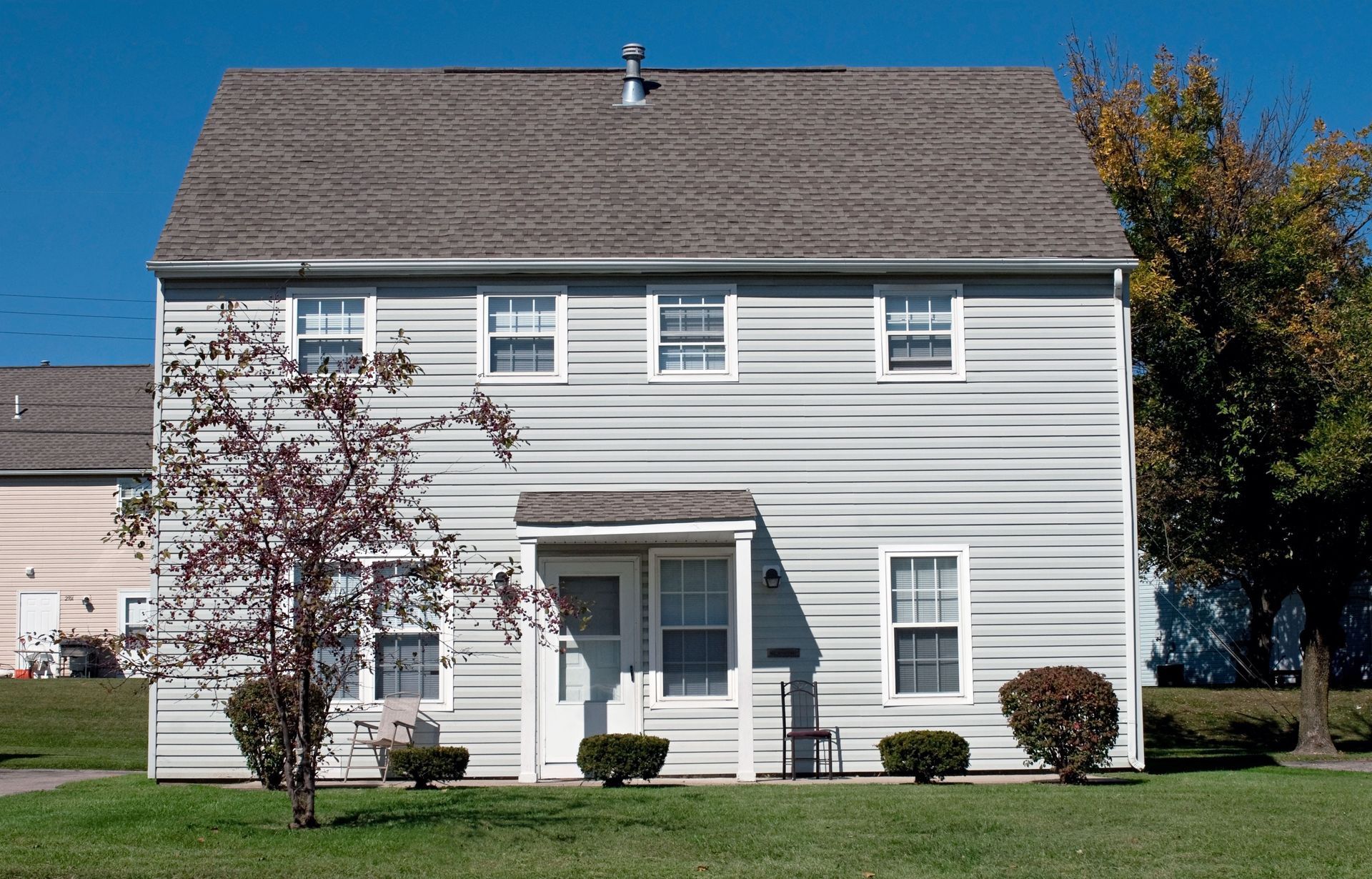
Landscaping influences a buyer's first impression, particularly when plants appear healthy and outdoor spaces are easy to navigate. According to the American Society of Landscape Architects (ASLA), homes that have been professionally landscaped can fetch 15% to 20% more at resale than homes with less attractive landscapes. This comparison highlights the potential value of a well-presented property, although individual resale results are not guaranteed.
Location, housing-market conditions, installation quality, and ongoing upkeep all influence the return on landscaping improvements. An expensive decorative feature may not provide as much practical value as correcting drainage or improving an existing outdoor area.
Prioritizing Useful Improvements
Before starting a project, homeowners can identify the problems they most want to solve. Replacing unhealthy plants, repairing walkways, and improving water management may offer more lasting benefits than adding elaborate decorations. A phased plan can also make larger projects easier to budget for and maintain.
Working with local landscaping professionals can help align improvements with the property's conditions and the household's priorities. This approach encourages thoughtful spending while keeping aesthetics, safety, and usability connected.
Creating an Attractive and Functional Landscape
A successful landscape looks inviting and works well for the people who use it. Healthy plants, effective drainage, comfortable gathering spaces, and manageable upkeep contribute to an outdoor area that remains enjoyable across the seasons. Achieving this balance requires attention to both visual design and everyday needs.
Ready to make your yard more attractive and practical? Contact Adler Tree & Landscaping Service today to discuss local landscaping solutions tailored to your property. Explore improvements that support healthy plant growth, enhance curb appeal, and make your outdoor space easier to enjoy for years to come.