October 13, 2026
Trees bring shade, fresh air, and natural charm to every yard, but they do not stay vibrant forever. When a towering oak or maple starts looking tired, it can be tricky to tell whether it just needs a good season of rain or if serious trouble is brewing right in your landscape. Recognizing early signs of severe decay protects your property, keeps your lawn healthy, and prevents sudden storm damage. Spotting these big warning indicators early helps clarify when a plant has reached the end of its natural life.
Spotting Deep Trunk Cracks and Cavities
A solid trunk forms the main structural backbone of any healthy species on your property. When deep fissures, vertical cracks, or large hollow pockets start appearing along the primary stem, the internal wood has likely begun to rot away. Minor bark peeling is often normal, but severe fractures that extend deep into the core mean the trunk can no longer support heavy limbs overhead. Structural instability in the trunk makes the entire canopy above unpredictable during heavy weather.
If you notice hollow cavities expanding larger each year, the interior heartwood is decaying rapidly from hidden fungi or pest infestations. This missing center severely weakens the plant structure, turning standard summer gusts into dangerous liability hazards. While small hollows might look cozy for neighborhood squirrels, huge gaps mean the natural structural integrity of the main trunk has been compromised beyond repair.
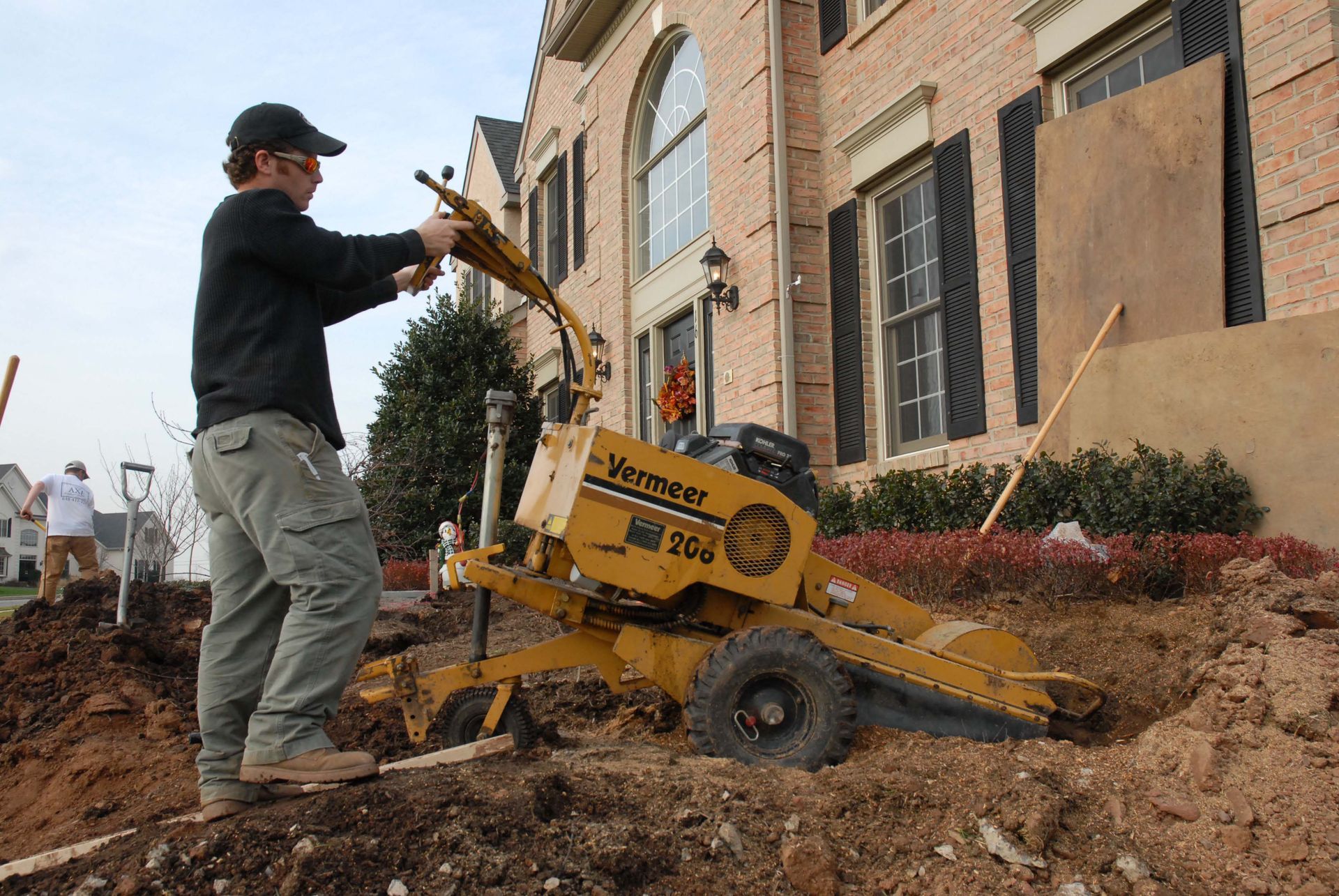
Large split stems represent another structural emergency that homeowners routinely overlook during routine yard maintenance. When twin trunks begin pulling apart at their main junction, a sudden downpour or light frost can easily cause a catastrophic collapse. Property owners often turn to professional tree removal services to handle these severely compromised trunks safely before winter storms roll into the area. Resolving a split trunk quickly restores peace of mind throughout the entire neighborhood.
Noticing Fungus Around the Base
Mushrooms growing along the grass might look harmless after a week of spring rain, but seeing shelf fungi or mushrooms sprouting directly from major root zones is a huge red flag. Fungi thrive exclusively on decaying organic matter, meaning their physical presence on bark indicates active rot inside the wood fibers. Once root rot takes hold below the soil line, the tree loses its critical anchor system. Active fungal growth signals that natural defensive barriers inside the bark have completely failed.
Conks appearing along the lower bark signal that interior decay has spread through major structural systems. These fungal fruiting bodies feed on lignin and cellulose, effectively hollowing out structural support from the inside out. As the internal cellulose breaks down, the wood soft rot leaves the plant completely unstable during periods of heavy wind or saturated ground. Leaving these conks unchecked invites structural failure right into your main living area.
Seeing dense clusters of honey-colored mushrooms near primary surface roots usually points to advanced root system failure. Because roots supply water and absorb vital minerals, underground decay eventually starves the foliage above while silently weakening ground stability. Relying on reliable tree removal services helps remove the infected root ball, preventing dangerous fungal spores from spreading into neighboring green spaces and healthy garden beds. Keeping root rot from spreading protects surrounding lawns from similar fungal invasions.
Checking for Bare or Dying Branches
A healthy canopy should burst with lush green leaves during the warmer growing months of the year. When large sections of the upper canopy remain completely bare while nearby plants thrive, the circulatory network inside the branches is failing. Dead limbs act as heavy liabilities waiting for a sudden fall. Watching how leaves develop across each season reveals clear signs of internal health.
Brittle twigs that snap easily without showing green interior wood signal widespread dieback across the main scaffolding branches. Take time to examine individual stems across multiple canopy sections to check for signs of hidden vascular blockages or insect borers. When more than half the upper crown exhibits severe dieback, the plant usually lacks enough foliage to convert sunlight into necessary life energy. Dying scaffolding branches indicate that vital sap flows have dropped below sustainable levels.
Foliage turning brown prematurely in early summer or dropping out of sequence suggests severe structural distress. As upper limbs die off, they dry out quickly, creating heavy falling hazards directly over driveways, decks, and walkways. Timely tree removal services address these skeletal canopies promptly, clearing dead weight before brittle limbs crash down onto surrounding outdoor property features. Removing dead canopies keeps your outdoor entertainment areas safe for weekend gatherings.
Watching for Uncharacteristic Leaning Shapes
While many trees naturally grow at slight angles toward available sunlight, a trunk that suddenly starts leaning or shifting angle requires swift attention. Sudden tilting usually means the subterranean root anchors are snapping or lifting out of the soil under immense weight. Paying close attention to ground movement around the base helps you spot these dangerous shifts early. Keeping an eye on vertical angles helps prevent unexpected lawn disasters during spring rainy seasons.
Look closely at the ground directly opposite the direction of the new tilt to check for soil heaving or freshly exposed root tips. If the soil is buckling upward or showing fresh cracks, the root plate is actively failing beneath the surface. Soil mounding proves that the subterranean anchor system can no longer anchor the massive weight upright against routine gravitational forces. Upward movement in the dirt clearly demonstrates that the below-ground foundation is giving way.
A sudden lean paired with saturated topsoil turns an unstable trunk into an immediate hazard for nearby structures. Sudden angle changes mean the tree could fall without warning, even during mild afternoons without heavy wind gusts. According to ExpertEasy, if a tree is within 1.5 meters of your fence or pool fence, or if it's within three meters of your house or approved building structure, you likely won't need a permit to remove it.
Examining Damaged and Exposed Roots
Roots function as both anchor ropes and life-sustaining straws, making their overall health critical to structural survival. When heavy lawn equipment or construction activities sever major surface roots, the entire plant loses structural stability and vital nutrient intake. Exposed roots that show signs of severe decay or physical crushing leave the plant vulnerable to secondary fungal infections. Protecting surface root networks maintains overall landscape health for decades.
Girdling roots represent another silent killer that wraps tightly around the main trunk collar below ground level. As these choking roots expand over time, they strangle the vascular pathways that carry water and nutrients from soil to leaves. Starved of vital flow, the plant slowly declines over several seasons, showing stunted growth and sparse leaf production throughout the canopy. Left unchecked, choking roots gradually pinch off essential life systems beneath the soil line.
Compacted soil around root zones from heavy foot traffic or heavy machinery starves delicate root hairs of essential oxygen and moisture. When roots suffocate and rot away underground, the top canopy starves while ground anchor strength plummets dramatically. Scheduling qualified tree removal services resolves severely compromised root systems, restoring ground safety and freeing up prime yard space for vibrant new landscaping installations.
Spotting these warning signs early gives you full control over your outdoor space while keeping your home and family safe from falling debris. A declining tree might look peaceful today, but structural rot and root damage quickly turn into serious hazards when unexpected weather hits. Contact Adler Tree & Landscaping Service and keep your yard green, safe, and beautiful for many years.